The Rise of Sanctuary Spaces: Designing for Mental Wellness
In recent years, there has been a growing demand for mental wellness spaces, often referred to as “sanctuary spaces”. These are designed spaces that provide individuals with a sense of safety and calmness, as well as promote overall mental well-being. The rise in popularity of such spaces can be attributed to the increasing need for individuals to find a sense of balance and escape from the fast-paced and stressful nature of modern life. As a result, many designers and architects have started to incorporate elements of mental wellness into their designs, creating truly unique and peaceful spaces. In this article, we will explore the rise of sanctuary spaces and how designers are incorporating mental wellness into their designs.
The Importance of Mental Wellness
Mental health has become a global issue, with more and more individuals struggling with stress, anxiety, and depression. According to the World Health Organization, one in four people will be affected by mental or neurological disorders at some point in their lives. This growing concern has led to a greater focus on mental wellness and the need for dedicated spaces that promote mental well-being.
Mental wellness is not just about finding moments of relaxation, it is also about creating an environment that can help individuals cope with the daily challenges they face. As such, having a balance between work, rest, and play is crucial for maintaining good mental health. This is where sanctuary spaces come in, providing individuals with a space to unwind, recharge, and find a sense of peace.
The Rise of Sanctuary Spaces
The concept of sanctuary spaces is not new, with cultures around the world having a long history of creating designated spaces for relaxation and reflection. Traditionally, these spaces were often associated with religious or spiritual settings, such as temple gardens or meditation rooms in monasteries. However, with the increasing emphasis on mental wellness, designers and architects have started to incorporate these elements into their designs, creating modern and innovative sanctuary spaces.
From offices and hotels to residential homes and public parks, sanctuary spaces can now be found in a variety of settings. These spaces can take many forms, such as indoor meditation rooms, outdoor gardens and green spaces, or even soundproof pods for a quick escape from a busy day. What makes these spaces unique is their focus on promoting mental well-being through design elements that enhance relaxation and mindfulness.
Nature and Biophilic Design
Nature has been proven to have a positive impact on mental well-being, with studies showing that exposure to nature can reduce stress and anxiety. This has led to many designers and architects incorporating biophilic design principles into their designs, where elements of nature are used to create a sense of connection and calmness.
For example, the Google Headquarters in California has a rooftop garden that provides employees with a relaxing space to take a break from work and connect with nature. The use of plants, natural light, and natural materials in interior design and architecture has also become increasingly popular, creating spaces that feel more natural and less artificial.
Mindful Design Elements
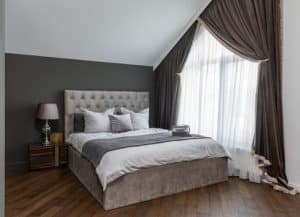
Incorporating elements of mindfulness into design has also become a major trend in the creation of sanctuary spaces. This involves using elements that promote relaxation, mindfulness, and positive thoughts. For example, the use of soft lighting, neutral colors, and comfortable seating can help create a calming environment. Additionally, the use of scents, such as aromatherapy or natural scents like lavender, has been found to have a positive impact on mental well-being.
Design elements that promote physical activity, such as yoga studios or meditation rooms, can also be incorporated into spaces to encourage individuals to take a break and engage in mindful exercises. This not only promotes relaxation but also helps to improve overall physical health, which is closely linked to mental well-being.
Designing for Mental Wellness: Challenges and Considerations
While the incorporation of mental wellness into design may seem straightforward, there are several challenges and considerations that designers and architects must navigate. One of the main challenges is finding a balance between promoting mental wellness and maintaining functionality and practicality in a space. For example, while natural lighting may be beneficial for mental well-being, it may not always be feasible in an office setting.
Moreover, with the increasing demand for sanctuary spaces, there is a risk of creating generic and superficial spaces that do not truly promote mental well-being. Designers must be mindful of not just incorporating trendy elements, but also creating spaces that are unique and truly address the needs of individuals.
The Future of Sanctuary Spaces
The rise of sanctuary spaces is a testament to the growing importance of mental wellness and the impact of design on promoting it. As individuals continue to prioritize their mental well-being, designers and architects must continually innovate to create spaces that effectively address mental health issues. With technology and research constantly evolving, the possibilities for designing for mental wellness are endless, and the hope is that these spaces will become more accessible and beneficial for all individuals.
In conclusion, the rise of sanctuary spaces is a positive step towards promoting mental well-being and providing individuals with a space to escape, unwind, and reconnect with themselves. By incorporating elements of nature, mindfulness, and functionality, designers are creating unique and impactful spaces that not only benefit individuals but also contribute to the overall wellness of society.